Celebrating the Holidays With a Loved One Living With Dementia


Practical tips for creating meaningful holiday memories while supporting the entire family.
The holiday season is a special time filled with joy, family traditions, and meaningful moments with the people we love. However, for individuals living with Alzheimer’s disease or another form of dementia, the holidays can also bring unexpected challenges.
Changes in routine, larger family gatherings, unfamiliar environments, and increased activity can sometimes lead to confusion, anxiety, or exhaustion. For family caregivers, balancing holiday celebrations with the needs of a loved one can add another layer of stress during an already busy season.
At Trusted Path, we believe that caring for an individual means caring for the whole family. Our approach prioritizes quality of life, recognizing that the well-being of family caregivers is just as important as the comfort, dignity, and happiness of the person receiving care.
The holidays should be a time for connection, not simply another responsibility to manage. With thoughtful planning, realistic expectations, and the right support, families can continue to enjoy meaningful traditions while adapting to their loved one’s changing needs.
Here are some practical ways to make the holiday season more enjoyable for everyone.

1. Adjust Your Holiday Expectations
One of the most important things families can do is recognize that holiday traditions may need to change.
A large family gathering that was once enjoyable may now be overstimulating for someone living with dementia. Loud conversations, unfamiliar faces, and busy environments can contribute to confusion, fatigue, or anxiety.

Consider making a few simple adjustments:
- Host smaller, more intimate gatherings.
- Keep celebrations shorter and allow time for rest.
- Ask family members to help with meals, decorating, or hosting.
- Prioritize meaningful traditions rather than trying to maintain every holiday activity.
Remember, changing a tradition does not mean losing its meaning. Sometimes, a quiet afternoon with family can be just as special as a large holiday celebration.
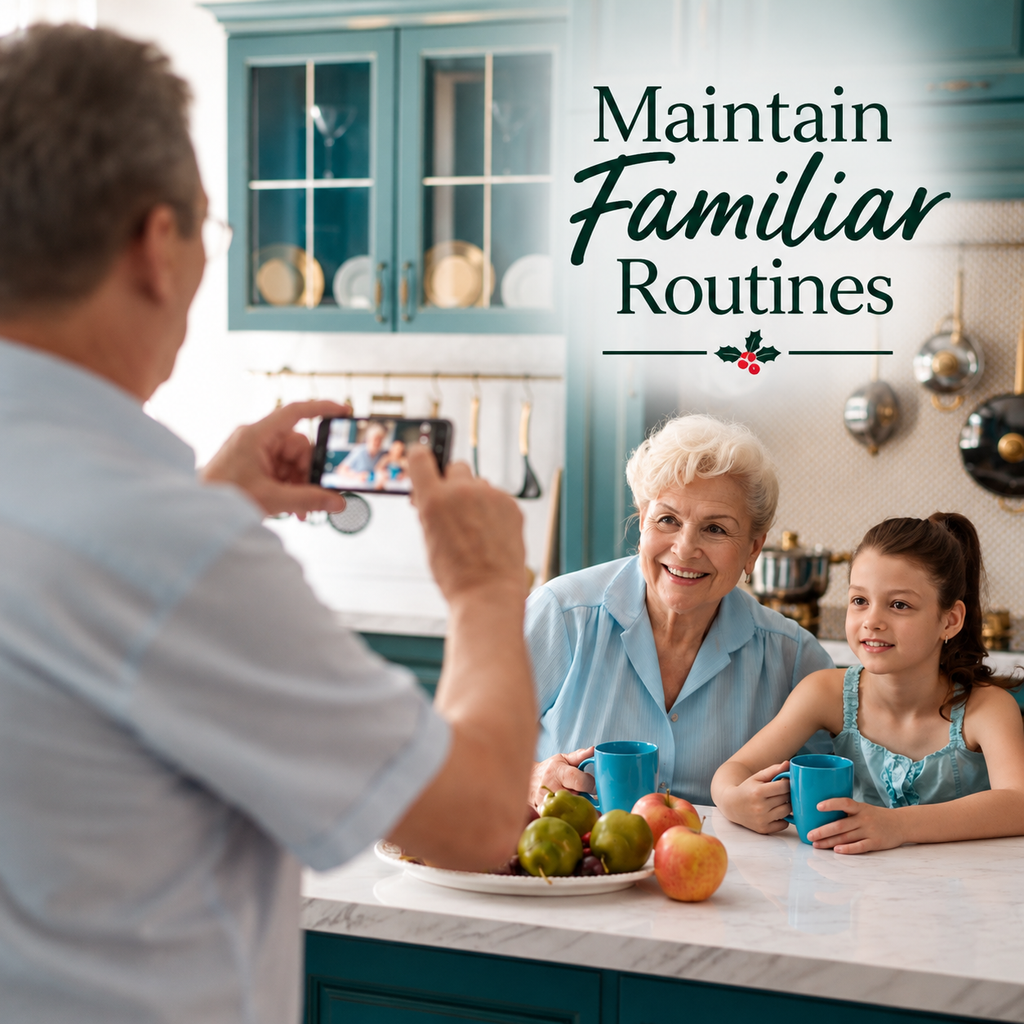
2. Maintain Familiar Routines
For many people living with dementia, consistency provides comfort and reassurance.
Holiday activities can interrupt normal schedules, including meals, medications, and sleep. These disruptions may increase confusion or behavioral symptoms.
Whenever possible, maintain familiar routines throughout the holiday season.
If your loved one experiences increased confusion or agitation in the late afternoon or evening, sometimes referred to as sundowning, consider scheduling celebrations earlier in the day.
A holiday brunch or lunch may be more enjoyable than a late evening dinner.
Trusted Path Tip: Plan celebrations around the time of day when your loved one is typically most comfortable and alert. This simple adjustment can make a significant difference in their ability to participate and enjoy the experience.
3. Include Your Loved One in Holiday Traditions

A dementia diagnosis does not mean someone can no longer participate in holiday activities.
Finding ways to include your loved one can help preserve their sense of belonging, independence, and connection with family.
Depending on their interests and abilities, consider activities such as:
- Listening to favorite holiday music.
- Looking through family photographs.
- Helping set the holiday table.
- Decorating cookies or participating in simple food preparation.
- Watching a favorite holiday movie.
- Sharing stories about past celebrations.
Focus on the enjoyment of the activity rather than completing it perfectly.
Trusted Path Tip: Choose activities based on what your loved one can comfortably do today, rather than what they were able to do in previous years. The goal is to create opportunities for joy, connection, and meaningful participation.
4. Prepare Visiting Family Members
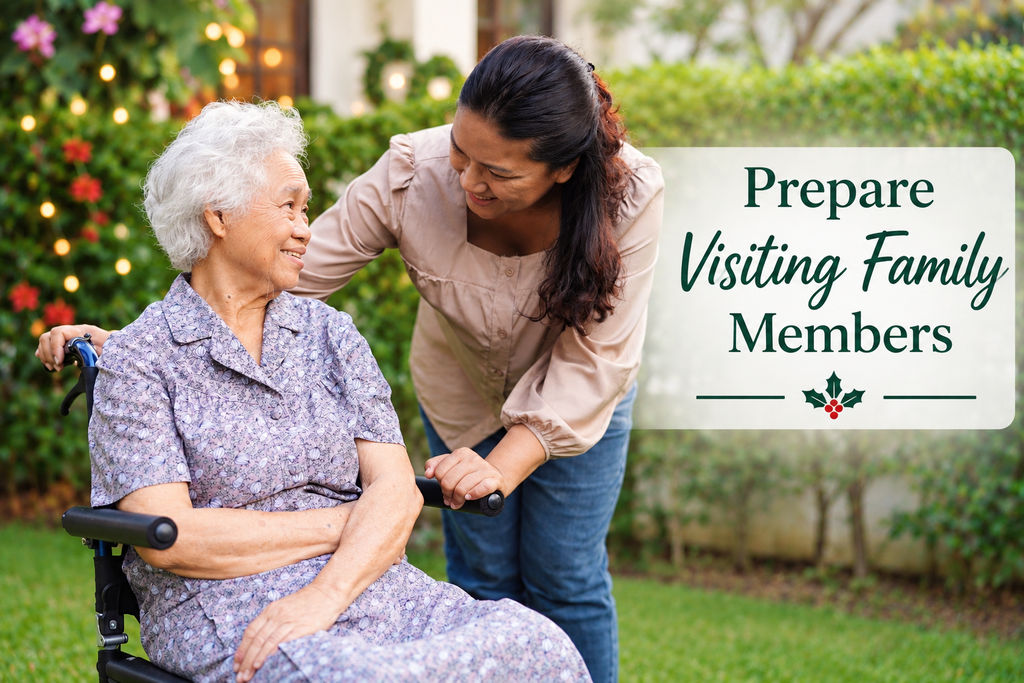
The holidays may bring relatives who have not seen your loved one in several months or even years.
Dementia symptoms can change over time, and family members may be surprised by changes in memory, communication, or behavior.
Before the gathering, consider sharing a brief update about your loved one’s current abilities and needs.
Encourage visitors to:
- Introduce themselves rather than expecting to be recognized.
- Speak calmly and allow extra time for responses.
- Avoid correcting or testing someone’s memory.
- Focus on connection instead of remembering names or details.
- Respect signs of fatigue or overstimulation.
A little preparation can help family members feel more comfortable and make visits more enjoyable for everyone.
It is also an opportunity for family members to better understand the caregiving responsibilities that may have developed since their last visit.
5. Create a Comfortable and Safe Environment

Holiday decorations, rearranged furniture, and additional guests can create unexpected challenges for someone living with dementia.
Consider keeping walking pathways clear, minimizing excessive noise, and providing a quiet area where your loved one can rest.
Be mindful of decorations that could be mistaken for food, electrical cords that create tripping hazards, and flashing lights that may contribute to confusion.
If your loved one has a history of wandering, ensure family members understand the importance of monitoring entrances and exits during gatherings.
Trusted Path Tip: A safe and comfortable environment allows everyone to relax and focus on enjoying time together. Sometimes, a few small environmental adjustments can prevent unnecessary stress for both the individual and their caregivers.
6. Remember the Caregiver
Holiday planning can be especially demanding for family caregivers.
Between coordinating celebrations, managing appointments, providing daily care, and supporting family members, caregivers may find themselves physically and emotionally exhausted.
It is important to remember that caregivers deserve to enjoy the holidays, too.
Consider asking family members to share responsibilities, arranging additional caregiving support, or simplifying holiday plans.

The holidays can also be an opportunity for visiting family members to offer meaningful assistance. Rather than asking a caregiver what they need, consider offering specific help, such as preparing a meal, spending time with their loved one, or handling holiday errands.
Sometimes, the most meaningful gift a caregiver can receive is a few hours of uninterrupted rest.
At Trusted Path, we recognize that supporting caregivers is an essential part of supporting the person receiving care. When caregivers feel supported, families are better positioned to navigate challenges while maintaining their own health and quality of life.
How Trusted Path Supports the Whole Family
At Trusted Path, we understand that dementia affects more than the individual living with the diagnosis. It impacts spouses, adult children, caregivers, and the entire family.
Our philosophy is centered on caring for the whole family while prioritizing quality of life.** We believe that successful care is not measured only by medical outcomes, but also by the ability to maintain meaningful relationships, participate in enjoyable activities, and experience moments of joy.
During the holidays and throughout the year, our nurse-led care management team works alongside families to understand their priorities, anticipate challenges, and develop personalized care plans that support both the individual and those who care for them.

We can help families:
- Understand changing care needs: Assess cognitive, physical, and functional changes that may affect daily activities.
- Plan for safety: Identify fall risks, wandering concerns, and other potential safety issues.
- Support family caregivers: Provide education, guidance, and practical strategies for managing dementia-related challenges.
- Coordinate care: Communicate with healthcare providers, caregivers, and family members to ensure everyone understands the care plan.
- Prepare for changing needs: Help families anticipate challenges and develop plans that support their loved one’s safety, dignity, and quality of life.
- Prioritize meaningful experiences: Help families identify ways to maintain enjoyable activities, traditions, and social connections as care needs evolve.

Whether that means helping a family adapt holiday traditions, addressing safety concerns, coordinating healthcare needs, or providing caregivers with guidance and reassurance, our goal is to help families spend less time managing the complexities of care and more time enjoying life together.
Because quality of life matters at every stage of aging, for the individual and for the entire family.

Additional Resources From the Alzheimer’s Association
The Alzheimer’s Association offers valuable information for families navigating the holiday season with someone living with Alzheimer’s disease or another dementia.
We encourage families to explore their resources for additional suggestions on adjusting traditions, choosing appropriate gifts, and supporting caregivers.
You can also visit the [Alzheimer’s Association](https://www.alz.org) for additional dementia education, caregiver support, and resources.
Resource acknowledgment: This article includes original guidance from Trusted Path and draws on educational recommendations published by the Alzheimer’s Association. Trusted Path is an independent organization and is not affiliated with or endorsed by the Alzheimer’s Association.
Need Guidance or Additional Support?
Navigating dementia care can feel overwhelming, especially during busy times of the year. You do not have to figure everything out on your own.
Trusted Path provides personalized, nurse-led aging life care management to help older adults and their families navigate healthcare decisions, coordinate care, and plan for the future.
Whether you are noticing new changes in a loved one or simply want guidance on how to better support them, our team is here to help.
Want learn more about our services and how we can support your family ?